
Cookies & Privacy
This website uses cookies or similar techonoglies to enhance your browsing experience and provide personalized recommendations. By contrinuing to use our website, you agree... Cookie Policy
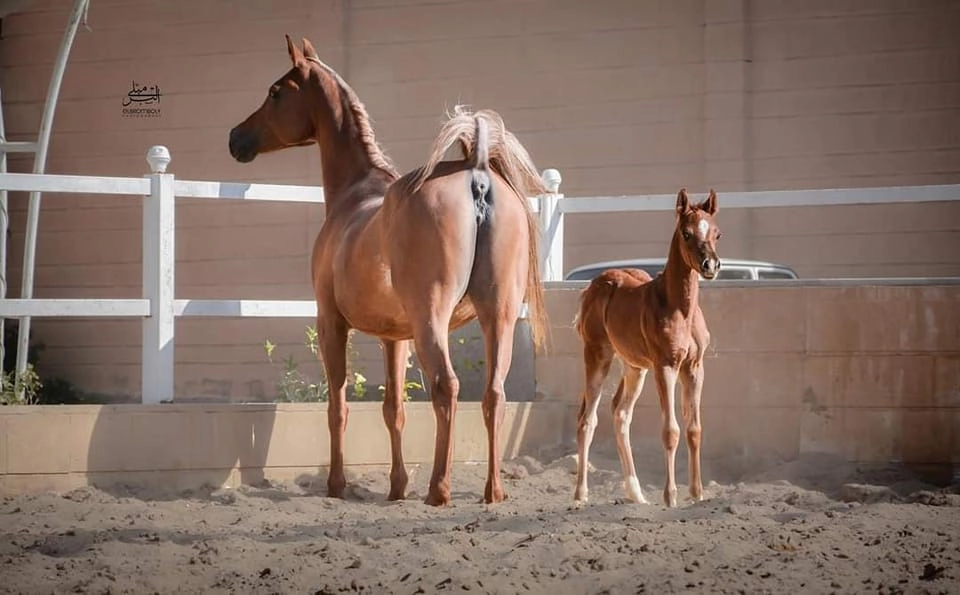
Heat Advisory for Horses
BY UNIVERSITY OF CALIFORNIA, DAVIS, SCHOOL OF VETERINARY MEDICINE | JUNE 15, 2017
The summer months can produce extremely high temperatures, especially in California. Here are ten important tips to prevent heat related problems in horses:
Heat can kill: High environmental temperatures and related heat issues of dehydration, exhaustion, and heat stroke can occur in horses and can produce illness and death. This is serious business and you must take steps to ensure your horse is protected when traveling in a trailer, being ridden on trail rides, or in competition events.
Drink water: Maintain hydration in your horse by allowing free access to water at all times during hot weather. It is a myth that a hot horse drinking water will experience colic or other medical problems. Never let your horse pass up a chance to drink water. Only horses that have been deprived of water for a significant time (many hours or days) need to have water provided in smaller amounts over time. Let your horse drink on the trail or after a class at a show. Hint- You can lead a horse to water . . . . this is true, so offer some hay and your horse will often drink after eating the hay. Soup-consistency bran or pellet mashes are another means of getting extra water into your horse
Shade: Provide shade as much as possible.
Limit what you do with your horse during peak heat:
Ventilation: Provide open vents and windows in trailers which can open for cross ventilation (however, don’t let your horse stick its head out while on the road).
Know signs of fatigue and overheating in your horse and stop before more severe signs of heat exhaustion begin: Persistent high respiratory rate that does not come down with rest over 10-30 minutes (normal is 20-40 breaths per min). Change in mentation, decreased energy level and reluctance to keep going. Dry mucous membranes in the mouth (they should feel “slimy”). Prolonged capillary refill time—Push on your horse’s gum. They should be pink to start, then it will blanch to white after pressure, and return to pink in approximately one second. Check this at the start of your day and frequently throughout the day. If it is prolonged, your horse is trying to tell you to stop, rest, provide water and if other signs of colic or muscle pain occur, you need to stay put and seek veterinary attention. Gut sounds—Listen at the start of your day (if you don’t have a stethoscope put your ear on your horse’s flank- behind the ribs). You should hear gurgling sounds on both sides of the belly– that is normal and good. Quiet gut sounds are a warning that your horse may be heading for dehydration or exhaustion.
Fans: If in a barn with limited ventilation, try to arrange more air circulation by careful placement of a fan in front of the stall or in the aisle way. Keep electric cords out of reach of horses.
Hose (spray) off your horse or pour water from a bucket over your horse. Cool water is fine, normal temperature (not hot) water is good too. Evaporation produces cooling and continuous hosing is one of the most effective means of lowering body temperature.
Water source: Keep a supply of water available for your horse to drink. Obtain some clean 5 gallon cans and fill them up with water before you travel.
Electrolytes: These may be useful if the horse has been sweating excessively. Only use if they can be followed by access to water to drink. Have a plan outlined by your veterinarian if you have not used electrolytes before. Only use electrolytes specifically made for horses.
Source: EQUISEARCH
This website uses cookies or similar techonoglies to enhance your browsing experience and provide personalized recommendations. By contrinuing to use our website, you agree... Cookie Policy