
Cookies & Privacy
This website uses cookies or similar techonoglies to enhance your browsing experience and provide personalized recommendations. By contrinuing to use our website, you agree... Cookie Policy
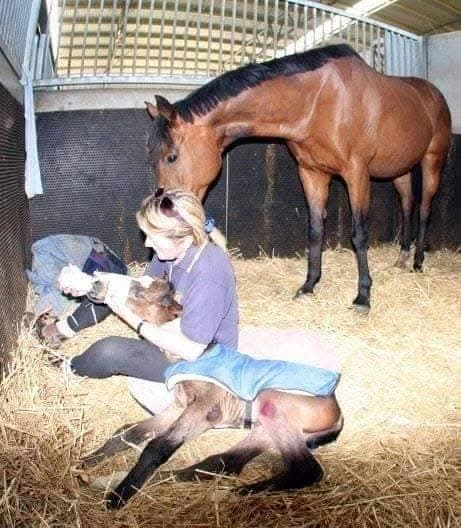
Milk-flow failure may not be foremost in your mind as you watch the birth and first moments of your young champion’s life. Most breeders, if they even think of it, are more worried about complications from excessive milk production rather than no milk. But the complete failure of milk flow following foaling, known as agalactia, affects as many as 1,200 to 1,500 mares annually. Although comparatively rare, the outcome can be devastating to your foal.Agalactia can occur for a number of reasons. Yo...
Read more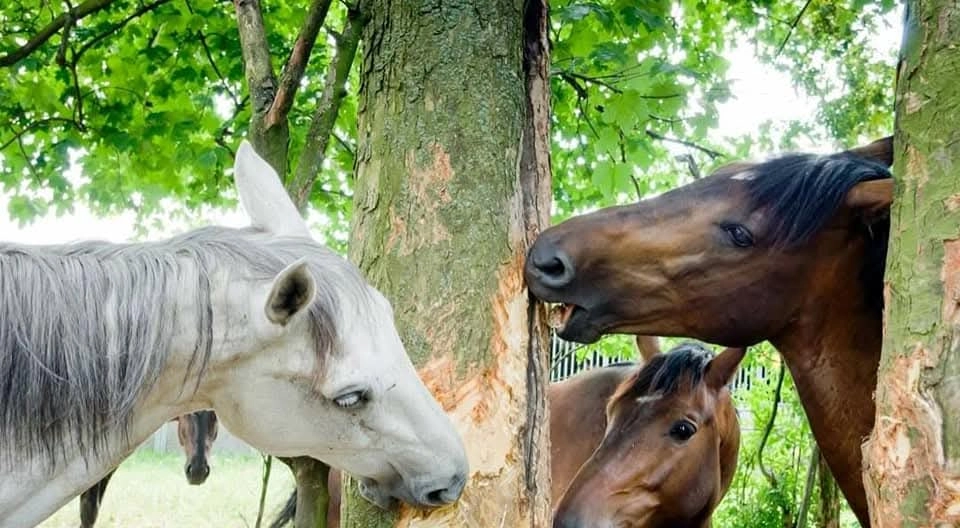
In my travels as a certified FeedMaster™ equine nutrition specialist I visited 100s of horse farms. I witnessed over and over some simple “mistakes” that horse owners make that really can impact their horse’s health and the value of their nutrition program. 99% of the time it was due to lack of knowledge therefore I thought I would share some insight that I have learned to be true on this subject.1) They don’t feed the Correct Diet for breed, age, health or activity:I always like to use analog...
Read more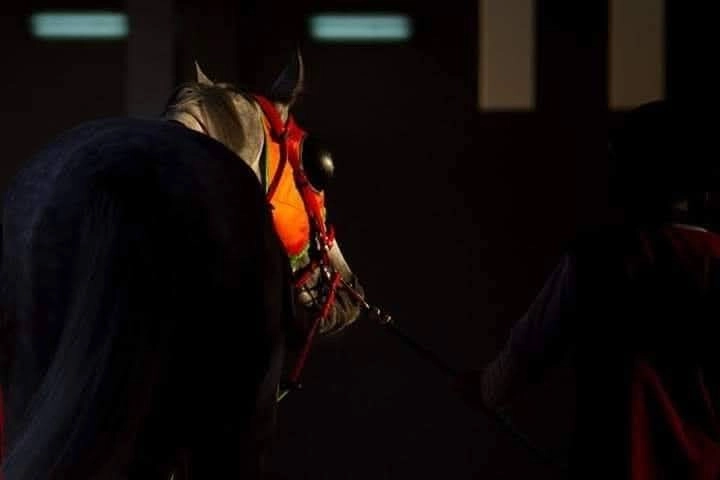
Think Energy When Feeding the RacehorseMarch 7, 2011 By Kentucky Equine Research StaffPrint PrintEmail EmailNewsletter NewsletterFacebookTwitterWhen it comes to nutritional requirements, racehorses are in a class of their own. Broodmares need large quantities of high-quality protein and minerals to grow a large healthy foal during gestation and to produce gallons of nutrient-rich milk daily through lactation. Likewise, young horses require plenty of protein and minerals to add hundreds of pounds...
Read more
This website uses cookies or similar techonoglies to enhance your browsing experience and provide personalized recommendations. By contrinuing to use our website, you agree... Cookie Policy