
Cookies & Privacy
This website uses cookies or similar techonoglies to enhance your browsing experience and provide personalized recommendations. By contrinuing to use our website, you agree... Cookie Policy
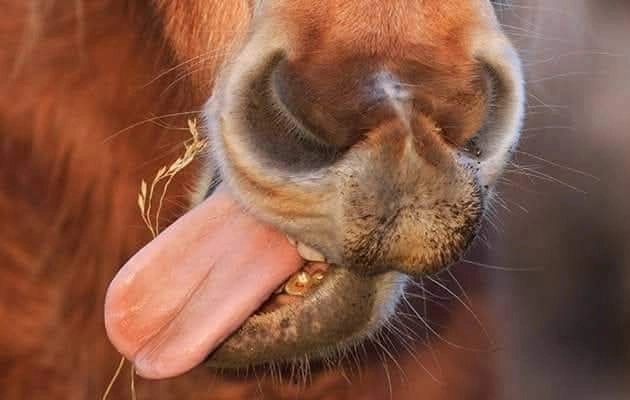
14 Facts You Need to Know About Your Horse's Tongue.by Ammie ClarkHave you ever wondered how your horse manages to eat his hard feed but leave his medicine at the bottom of his feed bucket? Here’s what you need to know about your horse’s tongue — a vital yet often over-looked part of the equine anatomy1. The horse’s tongue is made up of more than a dozen different muscles and is a highly specialised working tool.2. The mobile front section works together with the horse’s teeth and lips to select...
Read more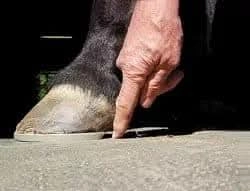
How can you make sure your horse farrier is doing a good job on your horse's hooves? Read our simple tips to learn about what your farrier does, and if he's doing it right.By Equisearch | March 20, 2017 | How can we tell if the farrier who trims our horses is doing a good job or not? Did your farrier check everything on your horse’s hooves? You’re not trained as a farrier specialist, so how can you be sure that your farrier is address everything on your horse? You may not be trained in the...
Read more
Nose bleeds in horses are known as "epistaxis." When a horse begins bleeding from the nostrils, key questions include the age of the horse, the exercise tolerance of the horse, the volume and frequency of the blood loss, and the character of the epistaxis.Many of the causes of epistaxis are mild and self-limiting, but others such as guttural pouch mycosis and progressive ethmoid hematoma, a benign, well-encapsulated mass in the paranasal sinuses, can have serious or fatal consequences.A horse's...
Read more
This website uses cookies or similar techonoglies to enhance your browsing experience and provide personalized recommendations. By contrinuing to use our website, you agree... Cookie Policy