
Cookies & Privacy
This website uses cookies or similar techonoglies to enhance your browsing experience and provide personalized recommendations. By contrinuing to use our website, you agree... Cookie Policy
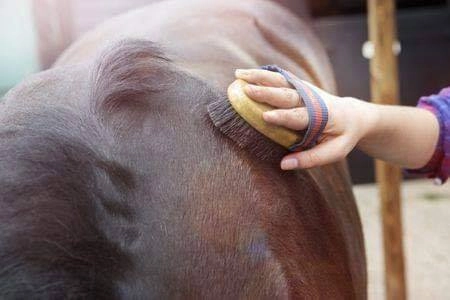
From the tips of his ears to the bottoms of his toes, the horse is a moving dirt magnet. To keep him from carrying around more than his fair share of his surroundings, try the following tips. They’ll increase his presentability without costing you a bundle. To get rid of manure or grass stains on any white part of your horse’s coat, all you need is some water and a bit of bran or soybean meal. First, wet the stained area, then make a paste with the water and bran. Smear the paste on the stained...
Read more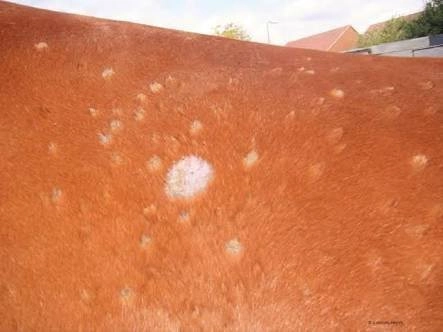
Rabies Rabies is found in somewhere between 40 and 50 horses annually, making the disease extremely uncommon. Still, it is very fatal and often difficult to diagnose. Rarely is there an obvious bite wound, so veterinarians often look for signs of colic, vague lameness and neurological problems. Rabies is transmitted from horses to humans via saliva. Any small cut can serve as an entry point for the virus. Brucellosis This disease is caused by a highly infectious bacteria that can cause abortions...
Read more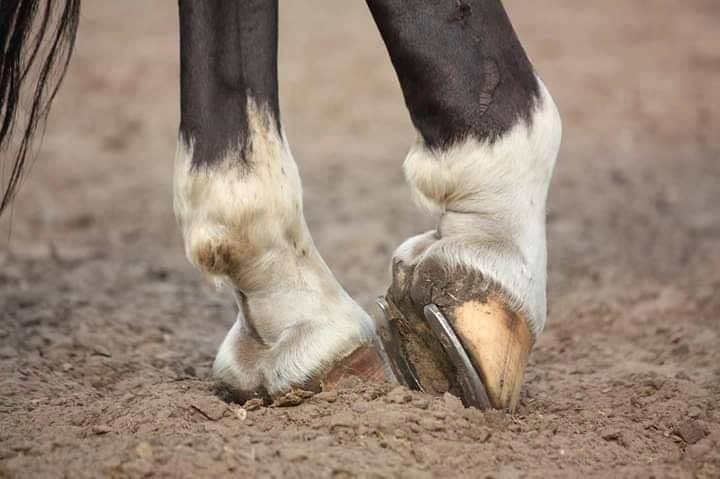
ByStephen B. Adams, DVM, DACVS, Department of Veterinary Clinical Sciences, College of Veterinary Medicine, Purdue UniversityReviewed/Revised Nov 2023 | Modified Nov 2024Lameness is defined as an abnormal stance or gait caused by either a structural or a functional disorder of the locomotor system. The horse is either unwilling or unable to stand or move normally. Lameness is the most common cause of loss of use in horses. It can be caused by trauma, congenital or acquired disorders, infection,...
Read more
This website uses cookies or similar techonoglies to enhance your browsing experience and provide personalized recommendations. By contrinuing to use our website, you agree... Cookie Policy